
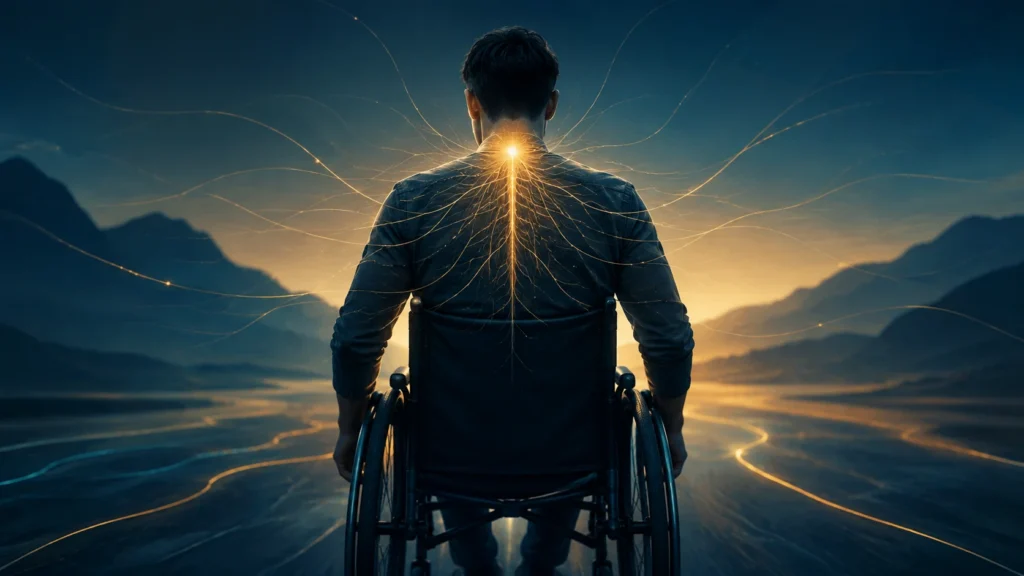
Minha História de Tetraplegia Após um Acidente de Moto
Esta é a minha história de tetraplegia. Ela começou em uma manhã de sábado, no dia 20 de dezembro de 2003, quando um acidente de moto mudou completamente o rumo da minha vida. Em dezembro de 2026 completo 23 anos vivendo com uma lesão medular cervical em C4.
Não escrevo esta página como médico nem como profissional de saúde. Escrevo como alguém que vive essa realidade todos os dias há mais de duas décadas.
Aqui conto como aconteceu o acidente, os primeiros momentos depois da queda, a internação, a cirurgia e o começo da vida que passei a conhecer depois daquele dia.
Índice
O acidente que iniciou minha história de tetraplegia
Naquela época eu trabalhava como motoboy. Não tinha um único patrão: prestava serviço para cinco empresas diferentes, corrida atrás de corrida, dia após dia.
No sábado do acidente, eu já tinha feito uma entrega mais cedo, por volta das sete da manhã. Era uma cesta de café da manhã para uma aniversariante.
Foi um serviço tranquilo, daqueles que a gente faz quase no automático depois de trabalhar tanto tempo na rua.
Na segunda saída do dia, eu ia buscar peças para uma loja de autopeças. Era o mesmo trajeto que eu havia feito horas antes.
Eu estava tranquilo, trabalhando normalmente, sem imaginar que aquele percurso seria o último que faria da maneira como conhecia minha vida até então.
Fui fechado por uma pickup Ranger preta.
A moto bateu na roda dianteira do veículo e eu fui arremessado por cima do capô, caindo do outro lado.
O primeiro contato do meu corpo com o chão foi o pescoço.
Eu estava usando capacete — novo na época — e acredito que ele foi fundamental para proteger minha cabeça naquele impacto. Mesmo assim, a força da queda causou uma fratura grave na região cervical.
Segundo o diagnóstico que recebi, minha quinta vértebra cervical, a C5, foi fraturada e a lesão medular ficou no nível C4.
Foi naquele instante que minha vida mudou completamente.
E eu ainda não fazia ideia do que tinha acontecido.
O que eu lembro — e o que a amnésia apagou
A pancada foi tão forte que tive amnésia.
Não lembrava o que estava fazendo nem para onde estava indo.
Só sabia que tinha caído.
Fiquei meio de bruços, meio de lado, e percebi que meu corpo não respondia.
Conseguia enxergar uma das minhas mãos parada na minha frente, mas não conseguia mexer nem um dedo.
Algumas lembranças daquele momento ficaram comigo em pedaços.
Lembro de uma sombra sobre mim.
Só depois entendi que era um senhor usando o próprio guarda-chuva para fazer sombra sobre meu corpo. Era perto do meio-dia, o sol estava forte e eu estava caído no asfalto.
Pedi para ele tirar meu capacete.
Ele disse que não podia retirar, mas já havia soltado a fivela, que talvez estivesse me incomodando ou apertando.
O capacete ficou na altura dos meus olhos, tampando quase toda a minha visão.
Eu praticamente só conseguia ver os pés das pessoas ao meu redor.
O senhor me disse que o resgate já tinha sido chamado.
Depois disso, apaguei.
A oração no asfalto
Em algum momento voltei a acordar.
Foi quando comecei a orar.
Orei em voz alta, falando com Deus ali mesmo, ainda caído no chão.
Eu não conseguia enxergar direito as pessoas, mas conseguia ouvi-las.
Lembro de algumas comentando ao redor:
“Ele está orando.”
“Ele está falando com Deus.”
Depois apaguei novamente.
A próxima lembrança é de estar dentro da ambulância. Via as profissionais do resgate olhando para mim.
Apaguei outra vez.
Quando abri os olhos novamente, já estava no pronto-socorro.
Daquele momento em diante permaneci consciente. A amnésia ficou relacionada àquele período do acidente e aos momentos imediatamente seguintes.
Quando comecei a entender minha lesão medular C4
A ficha não caiu de uma vez.
Naquele primeiro momento, eu não entendia a dimensão do que tinha acontecido. Sabia apenas que meu corpo não respondia como antes.
Fiquei 55 dias internado.
A quinta vértebra cervical havia sofrido uma fratura grave. O diagnóstico que recebi foi de lesão medular em C4.
Hoje sou tetraplégico.
Mas tetraplegia não significa necessariamente ausência completa de qualquer movimento.
No meu caso, perdi a sensibilidade abaixo de determinada região do tórax. Nos braços, a sensibilidade também é alterada a partir dos ombros.
Tenho movimento nos braços, mas pouca força.
Minhas mãos e meus dedos não fazem o movimento de pinça. Isso significa que não consigo segurar pequenos objetos entre os dedos da maneira como fazia antes do acidente.
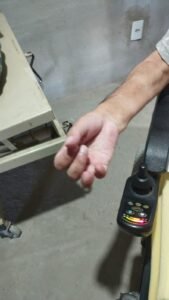
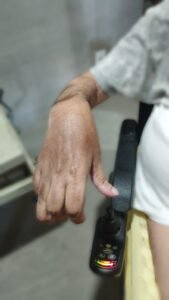
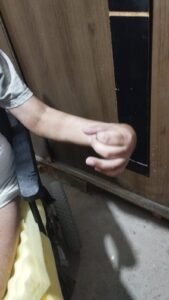
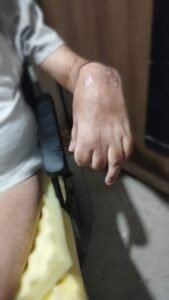
Com o passar dos anos, fui aprendendo na prática o que meu corpo consegue fazer, o que não consegue e quais adaptações permitem que eu tenha mais autonomia.
Essa experiência acumulada é a base de tudo o que compartilho neste site.
A cirurgia na coluna cervical
Depois do acidente, passei cerca de dez dias aguardando a redução do inchaço na região do pescoço antes da cirurgia.
No meu caso, o acesso cirúrgico foi feito pela parte da frente do pescoço, próximo à região do pomo de adão.
Foi colocada uma estrutura de fixação envolvendo as vértebras C4 e C6, enquanto a região da C5, que havia sido gravemente fraturada, precisou ser reconstruída.
Também retiraram um fragmento de osso do meu quadril para ser utilizado como enxerto nessa reconstrução.
Eu estava começando uma recuperação que ainda não sabia quanto tempo levaria.
Na verdade, naquela época eu ainda nem entendia que algumas das maiores dificuldades não estariam apenas na movimentação das pernas e dos braços.
O manejo da bexiga durante a internação
Um dos primeiros grandes problemas que enfrentei depois da lesão foram as infecções urinárias.
Durante aquela internação, minha experiência foi de uma equipe que não estava preparada para todas as necessidades específicas de uma pessoa com lesão medular.
O manejo da minha bexiga foi um dos principais problemas.
Na época eu não entendia praticamente nada sobre isso. Dependia completamente dos profissionais que estavam cuidando de mim.
Foi posteriormente, durante minha reabilitação e acompanhamento, que recebi orientações específicas para o manejo da minha bexiga e para a utilização do cateterismo.
Esse é um ponto importante: o protocolo que sigo foi definido para o meu caso e mudou ao longo da minha vida conforme minhas necessidades.
Por isso, não considero correto dizer que toda pessoa com lesão medular deve usar um único tipo de sonda ou seguir exatamente o mesmo intervalo de cateterismo.
Cada caso precisa ser avaliado individualmente.
Essa diferença é importante porque, quando relato aqui o que faço na minha rotina, estou contando minha experiência, e não prescrevendo uma conduta para outras pessoas.
Anos depois, vivi uma infecção urinária muito mais grave, que evoluiu para sepse e quase me custou a vida. Contei essa experiência separadamente no artigo Infecção Urinária em Lesado Medular: Minha Experiência.
O colar cervical colocado de forma errada
Durante a internação eu precisava usar um colar cervical e permanecer deitado de barriga para cima.
Meu pescoço estava lesionado e praticamente tudo dependia de outras pessoas.
Em determinado momento, uma profissional colocou o colar cervical de maneira inadequada.
Ele começou a pressionar a parte de trás da minha cabeça.
Eu não sabia que aquilo estava errado.
Só sabia que doía.
E continuou doendo.
Doeu tanto que comecei a chorar.
Foi outra profissional que percebeu o problema e corrigiu a colocação do colar.
Pode parecer um episódio pequeno diante de tudo que estava acontecendo, mas quando você está imóvel em uma cama, sem conseguir resolver sozinho algo que está causando dor, a situação ganha outra dimensão.
Ao longo dos anos vivi outros episódios envolvendo cuidadores, hospitais e profissionais. Alguns deles reuni posteriormente no artigo Erros que Cuidadores Cometem com Pessoas com Lesão Medular.
O que aprendi sobre o sistema de saúde
Durante esses anos encontrei profissionais excelentes, pessoas que realmente sabiam o que estavam fazendo e que fizeram diferença na minha vida.
Também encontrei serviços e profissionais que demonstravam pouco conhecimento sobre as necessidades específicas de uma pessoa com lesão medular.
Por isso, prefiro falar a partir daquilo que vivi.
Não posso afirmar que toda a rede de saúde brasileira funciona de uma determinada maneira.
Posso afirmar que, na minha experiência, encontrei diversas situações em que faltavam conhecimento, treinamento ou estrutura adequada para lidar com determinadas necessidades relacionadas à lesão medular.
Foi uma realidade que começou naquela primeira internação e que encontrei novamente em outros momentos da minha vida.
Por que conto minha história de tetraplegia
Esta página é apenas o começo da minha história de tetraplegia.
O acidente aconteceu em 2003, mas a história não terminou naquele dia.
Vieram a recuperação, as adaptações dentro de casa, os equipamentos, as transferências da cama para a cadeira, as infecções urinárias, as lesões por pressão, a espasticidade, os erros, os acertos e milhares de situações que só quem vive muitos anos com uma lesão medular acaba conhecendo.
Também aprendi soluções que tornaram minha rotina muito mais fácil.
Algumas deram certo.
Outras deram errado.
E várias delas eu gostaria que alguém tivesse me contado quando tudo começou.
É por isso que criei este site.
Não para ensinar uma fórmula de como viver com tetraplegia e muito menos para dizer que aquilo que funciona comigo funcionará da mesma forma para outra pessoa.
Quero registrar o que aprendi vivendo essa realidade e compartilhar informações que possam ajudar outras pessoas com lesão medular, seus familiares e cuidadores a conhecer possibilidades que talvez ainda não conheçam.
Em 20 de dezembro de 2026 completo 23 anos desde o acidente.
Depois de tanto tempo, ainda continuo aprendendo.
E é essa experiência — com tudo o que deu certo e tudo o que deu errado — que pretendo continuar transformando em relatos aqui no site.
Esta é a minha história. Os próximos artigos contam o que veio depois.
Nota: esta página relata minha experiência pessoal com uma lesão medular. As informações sobre saúde presentes no site têm finalidade informativa e não substituem avaliação, diagnóstico ou orientação individualizada de profissionais de saúde.